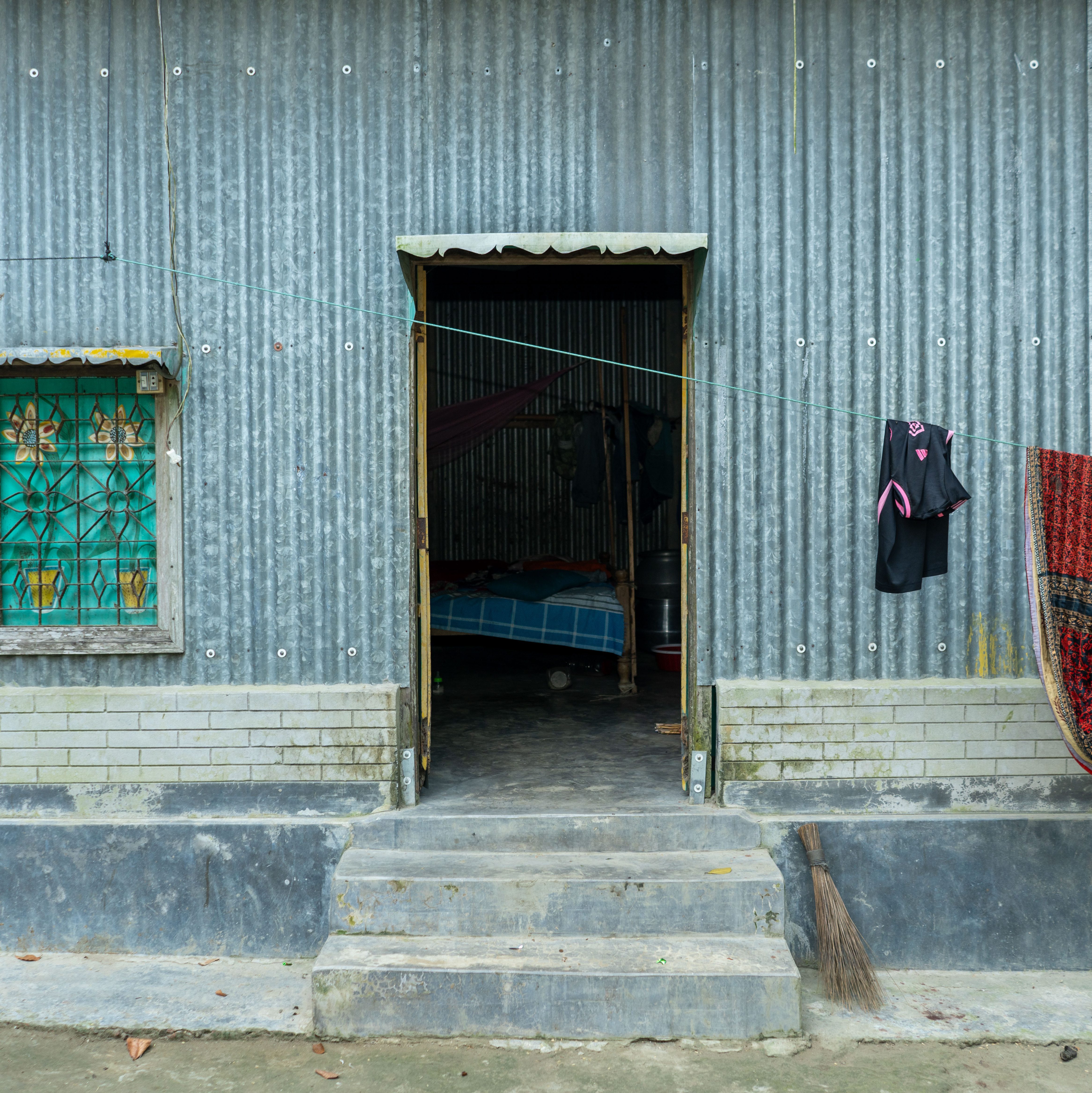
Concrete floors & health
Approximately one billion people worldwide live in homes with dirt floors. Children living in homes with soil floors face elevated exposure to pathogens through direct soil contact and ingestion. We are conducting a randomized trial in rural Bangladesh examining whether replacing household soil floors with concrete floors improves maternal and child health.
CRADLE trial website
Effects of household concrete floors on maternal and child health: the CRADLE trial – a randomised controlled trial protocol. BMJ Open. 2025.
Funding: NIH R01HD108196
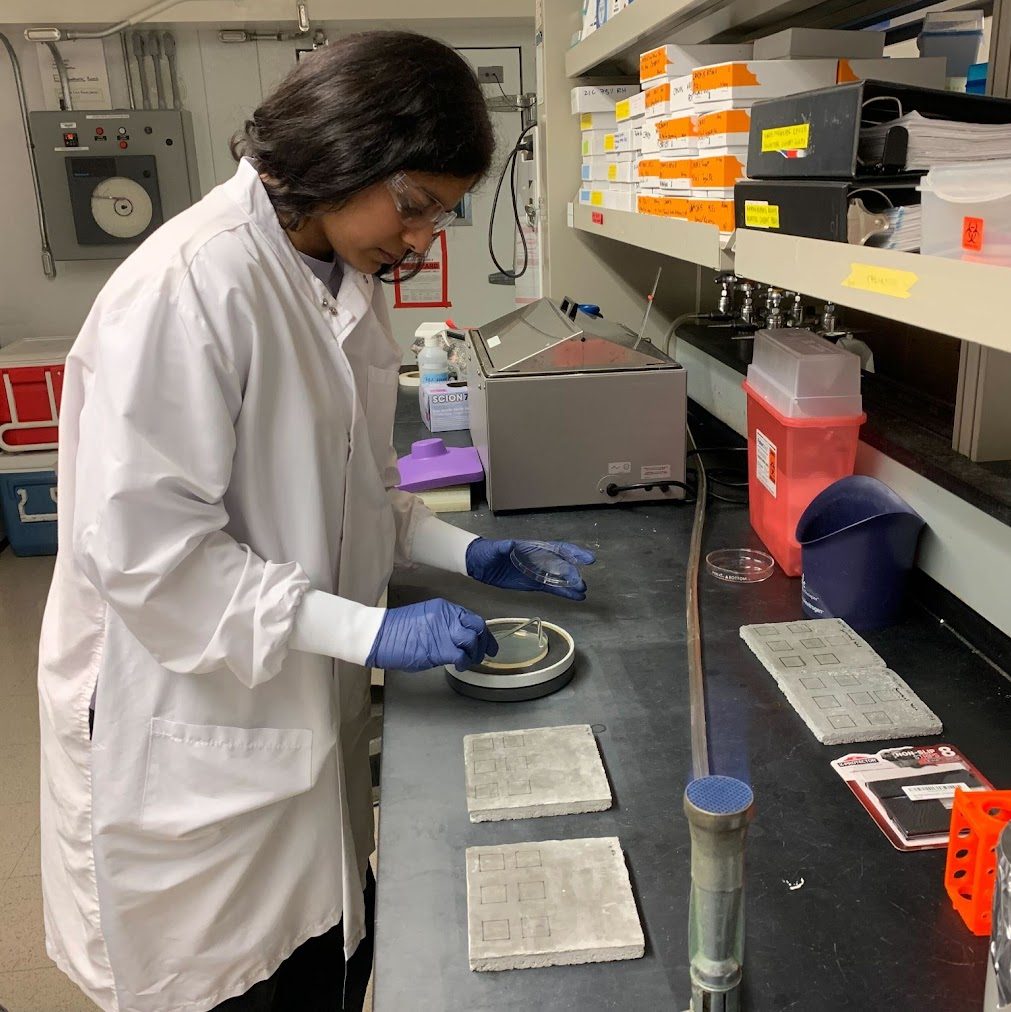
Sustainable cement
Cement production ranks among the world’s most carbon-intensive industries, generating an estimated 5-10% of global carbon dioxide emissions. We are evaluating whether cement produced with fewer greenhouse gas emissions can deliver equivalent health benefits.
Evaluating the survival and removal of Escherichia coli from surfaces made with traditional and sustainable cement-based materials in field-relevant conditions. Applied & Environmental Microbiology. 2025.
Investigating Cement-Based Surfaces as a Sustainable Flooring Solution to Improve Ascaris Egg Removal and Inactivation in Low-Resource Settings. PLoS NTDs. 2025
Funding: Stanford Woods Institute
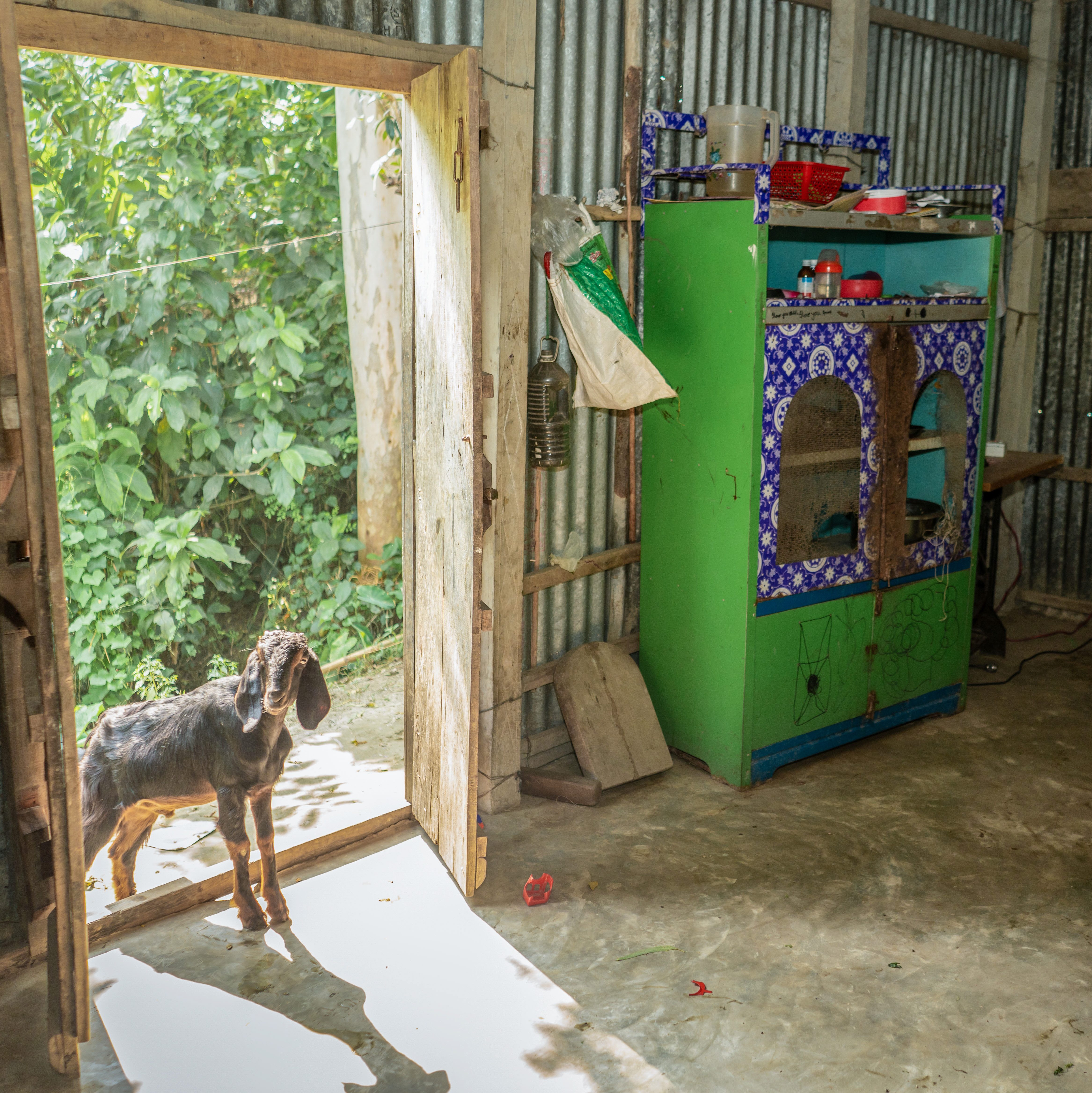
One Health & Antimicrobial Resistance
Our research uses a One Health approach — recognizing the links between human, animal, and environmental health — to understand drivers of antimicrobial resistance in low-income household settings.
Dirt Floors and Domestic Animals Are Associated with Soilborne Exposure to Antimicrobial-Resistant E. coli in Rural Bangladeshi Households. Environmental Science & Technology. 2025
Potential pathogens and antimicrobial resistance genes in household environments: a study of soil floors and cow dung in rural Bangladesh. Applied and Environmental Microbiology. 2025.
Funding: Stanford Center for Human and Planetary Health and North Carolina State University Global One Health Academy
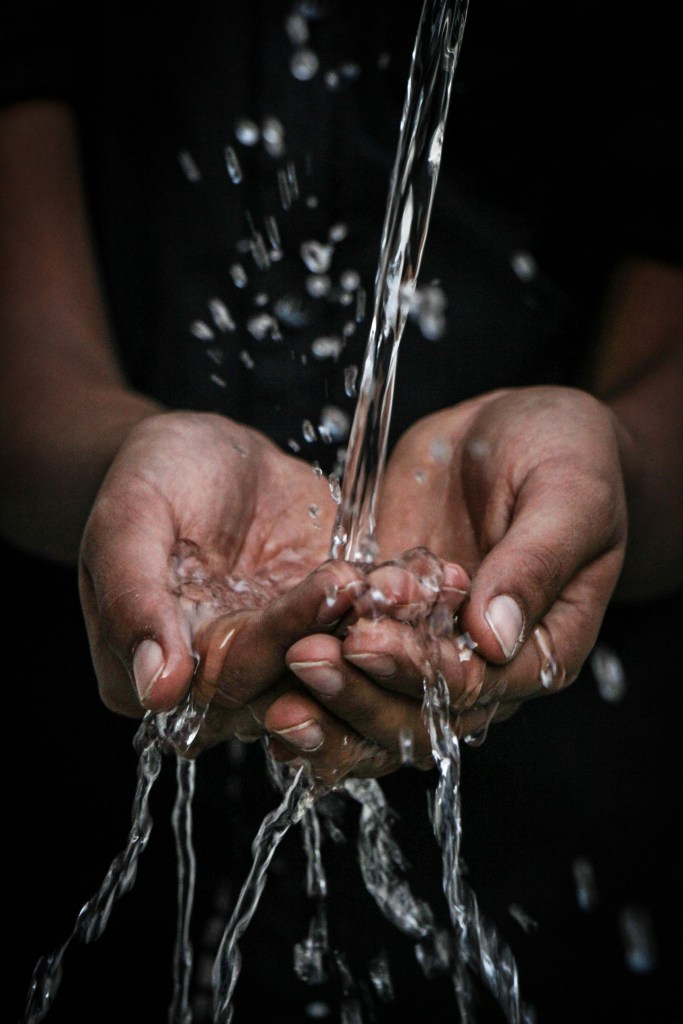
Water, sanitation & hygiene
The WASH Benefits trials tested low-cost, household-level water, sanitation, and hygiene interventions in Bangladesh and Kenya. Years after conducting the original trials, we continue to re-analyze rich trial datasets to yield new insights, including how intervention effects vary by environmental context and the mechanisms through which WASH reduces pediatric antibiotic use.
Effects of water, sanitation, handwashing and nutritional interventions on soil-transmitted helminth infections in young children: A cluster-randomized controlled trial in rural Bangladesh. PLoS NTDs. 2019.
Influence of Temperature and Precipitation on the Effectiveness of Water, Sanitation, and Handwashing Interventions against Childhood Diarrheal Disease in Rural Bangladesh: A Reanalysis of the WASH Benefits Bangladesh Trial. Environmental Health Perspectives. 2024.
Pathways through which water, sanitation, hygiene, and nutrition interventions reduce antibiotic use in young children: a mediation analysis of a cohort nested within a cluster-randomized trial. eClinicalMedicine. 2025.

